

Why This Guide Exists (and who it’s for)
If you searched this because you found your dog scratching non-stop, spotted tiny black specks in their bedding, or pulled an engorged tick off your cat’s ear — this guide is written for that exact moment. It covers how to confirm what you’re dealing with, why Abu Dhabi’s climate makes the problem worse than in most cities, what actually works to clear an infestation from your home (not just your pet), and when it’s time to call a licensed team instead of fighting it yourself.
This isn’t a rewrite of a generic “flea and tick” article aimed at a US or UK audience. Abu Dhabi’s combination of heat, humidity spikes, sandy compounds, stray cat populations, and heavy AC use creates a flea and tick life cycle that behaves differently than it does in temperate climates — and that changes what treatment actually works here.
Fleas vs. Ticks: How to Tell What You’re Dealing With
Pet owners often assume any bite or scratching means fleas, but the two pests behave very differently and need different responses.
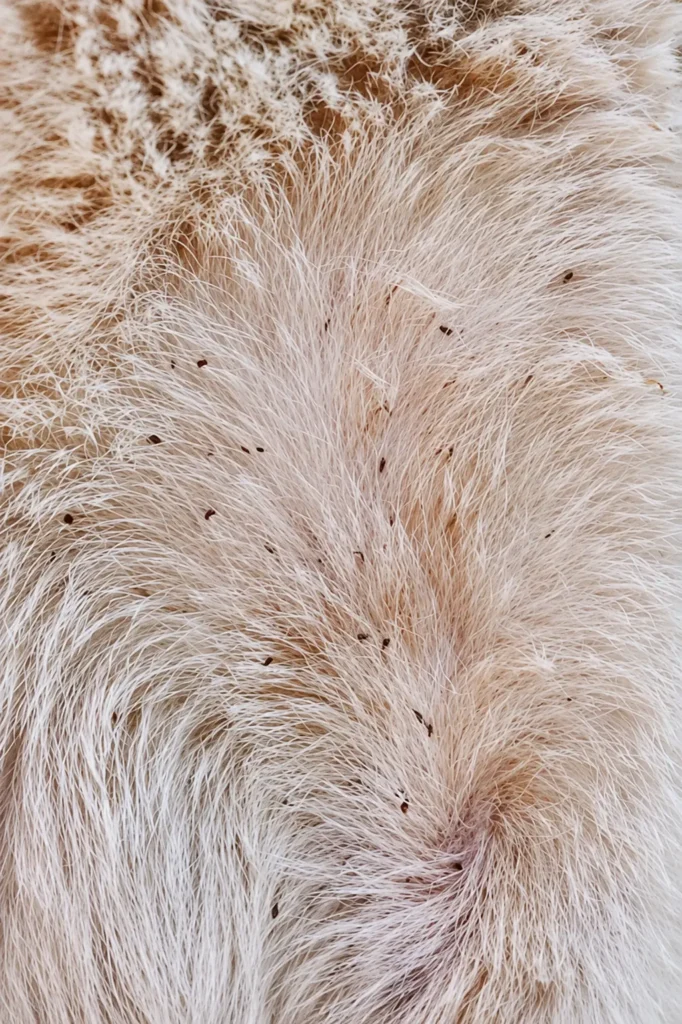
Fleas are small (1.5–3mm), wingless, reddish-brown insects that jump rather than crawl. You’ll usually spot the evidence before the insect itself: “flea dirt” (small black specks that turn reddish-brown when wet — that’s digested blood) in your pet’s fur, especially around the tail base, neck, and belly. Fleas reproduce explosively — a single female lays up to 50 eggs a day, and those eggs fall off your pet into carpets, sofas, and bedding, which is why a flea problem is a home problem, not just a pet problem.
Ticks are arachnids (eight legs, not six), and in Abu Dhabi the species most commonly affecting dogs is the brown dog tick (Rhipicephalus sanguineus), which is unusual among ticks because it can complete its entire life cycle indoors — in cracks, skirting boards, and even inside villa walls — making it particularly suited to UAE housing. Ticks attach and feed for days, appearing as a firm, slow-growing bump, often around the ears, neck, and between the toes. Unlike fleas, ticks don’t jump between infested homes; they arrive on a pet after outdoor contact (parks, sandy compounds, contact with stray animals) and then breed indoors.
Why the distinction matters: flea treatment focuses on breaking the reproductive cycle across your entire home, while tick treatment is more about ongoing prevention and targeted structural treatment of hiding spots, since the brown dog tick’s ability to live indoors year-round is what makes UAE infestations persistent. Fleas and ticks fall under our other pests services, alongside similar crawling and biting pests we treat across Abu Dhabi homes.
Why Abu Dhabi Homes Are Especially Vulnerable
Three local conditions combine to make flea and tick problems more common — and more stubborn — here than in cooler, drier climates:
1. Year-round warmth removes the “off-season.” Flea eggs hatch fastest between roughly 21–32°C, which describes most of the Abu Dhabi calendar. In colder countries, winter naturally interrupts the flea life cycle; in Abu Dhabi, it often doesn’t, so infestations can run continuously if untreated.
2. Air conditioning creates ideal micro-climates. Fleas and ticks both prefer moderate temperature and shelter from direct heat — and heavily air-conditioned villas and apartments provide exactly that, effectively giving pests a comfortable environment even during peak summer.
3. Compound living increases exposure. Villas with gardens, shared green spaces, and proximity to stray cat colonies (common across Abu Dhabi’s residential compounds) give outdoor-roaming pets far more contact opportunities than an apartment-only pet would have. Garden-facing villas often see other seasonal pests alongside fleas and ticks too — see our guide on what pests are common in Abu Dhabi by season for the fuller picture.
Signs of Infestation to Check This Week
Work through this checklist with your pet in good light:
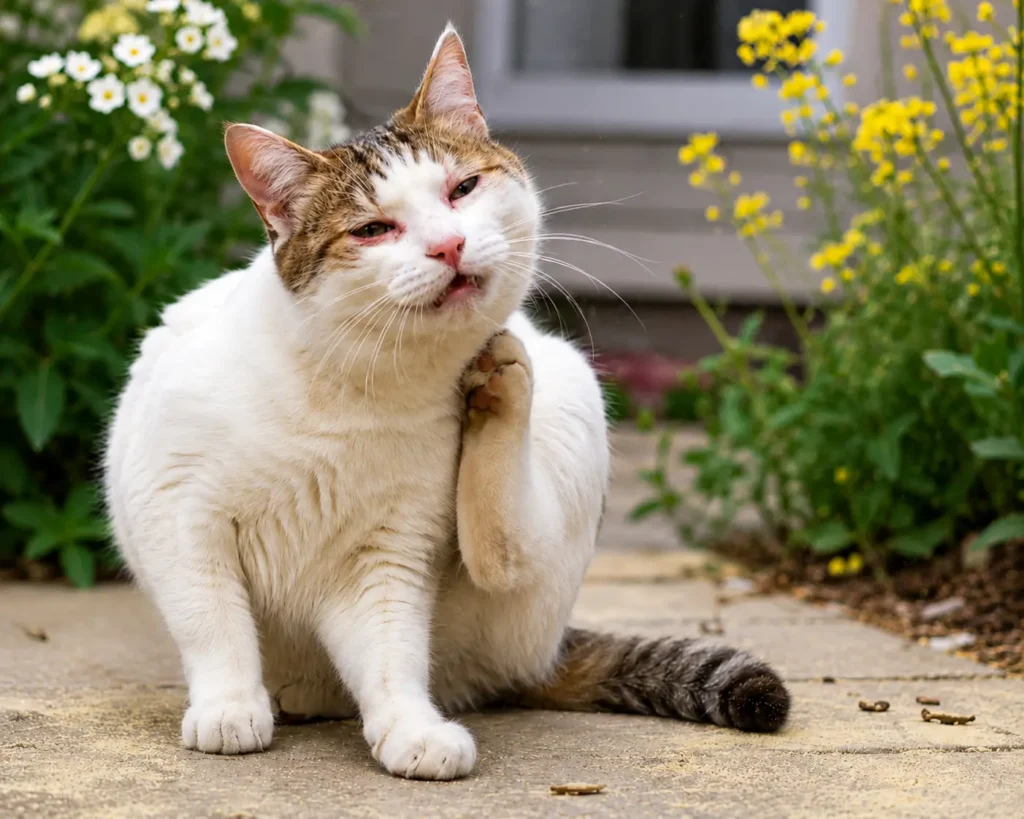
- Excessive scratching, licking, or biting at the skin, especially around the tail base, groin, or ears
- Small red bumps or scabs on your pet’s skin, particularly on the belly or inner thighs
- Hair loss in patches, often from your pet’s own scratching and chewing
- Visible “flea dirt” — comb through fur onto white paper; if the specks turn reddish when dampened, it’s flea dirt, not just soil
- Firm, slow-growing bumps anywhere on the body, especially ears, neck, and between toes — check for ticks
- Pale gums, unusual lethargy, or reduced appetite — in severe infestations, blood loss from fleas or ticks can cause anemia, particularly in puppies, kittens, and small-breed pets, and this warrants a same-day vet visit, not a wait-and-see approach
- Small pests visible on light-colored bedding or furniture after your pet has been resting there
If you’re seeing three or more of these, treat it as an active infestation rather than a one-off irritation. Note that bite marks alone aren’t conclusive — if the bites are appearing on human household members too, especially in a line or cluster, it’s worth ruling out bed bugs as well, since the two infestations can be mistaken for each other.
Treating Your Pet: What Actually Works
This section covers general categories of treatment — always confirm the specific product and dosage with your veterinarian, since safe options differ by species, weight, age, and pregnancy status, and some flea treatments formulated for dogs are toxic to cats.
Veterinary-prescribed spot-on treatments and oral medications are generally the most reliable option because they’re dosed precisely to your pet’s weight and break the flea life cycle rather than just killing adults on contact. Ask your vet specifically about products effective against both fleas and the brown dog tick, since not every product covers both.
Flea combs are a useful supplementary tool, especially for young puppies and kittens too small for chemical treatment — comb daily over a bowl of soapy water to physically remove and drown fleas.
Tick removal should be done carefully: grasp the tick as close to the skin as possible with fine tweezers or a tick-removal tool and pull straight up with steady pressure — don’t twist, and don’t use heat, alcohol, or petroleum jelly, which can cause the tick to regurgitate infected fluid into the bite. If you’re not confident doing this, a vet visit for removal is worth it, particularly for ticks attached near the eyes or ears.
Regular bathing with a vet-approved shampoo helps manage symptoms but rarely resolves an infestation on its own — it needs to be paired with treating the home environment, covered next.
Why Treating Only Your Pet Isn’t Enough
This is the step most pet owners miss, and it’s the reason flea problems “come back” a few weeks after the pet is treated. At any given time, adult fleas on your pet make up roughly 5% of the total infestation — the remaining eggs, larvae, and pupae are in your carpets, sofa seams, pet bedding, and floor cracks. Killing the fleas on your pet without treating the home just means a fresh generation hatches and re-infests your pet days later.
What effective home treatment covers:
- Vacuuming daily during an active infestation — carpets, upholstery, skirting boards, and under furniture — and disposing of the vacuum bag or emptying the canister outside immediately, since eggs and larvae can survive inside
- Washing all pet bedding, blankets, and washable soft furnishings on the hottest safe cycle weekly
- Steam cleaning carpets and upholstery, since heat kills eggs and larvae that vacuuming alone can miss
- Targeted treatment of tick hiding spots — skirting boards, door frames, and wall cracks, since brown dog ticks specifically seek out these indoor crevices to lay eggs (these are the same entry points we check during spider and lizard control visits, so it’s worth having both assessed together)
- Treating outdoor areas where pets rest — garden beds, shaded patio corners, and kennel areas — since both fleas and ticks can persist outdoors in Abu Dhabi’s climate far longer than in cooler regions
A full life cycle from egg to biting adult flea can take as little as two to three weeks in warm conditions, which is why home treatment needs to be sustained for several weeks, not a single one-time clean.
DIY vs. Professional Treatment: When to Call a Licensed Team
DIY control (vacuuming, laundering, over-the-counter sprays) can resolve mild, early-stage infestations, especially when combined with prompt veterinary treatment of the pet. It’s worth escalating to a licensed professional when:
- The infestation has persisted more than 2–3 weeks despite consistent home treatment
- You’re seeing fleas or ticks in multiple rooms, not just where your pet sleeps
- A member of the household is developing bite reactions or the infestation is affecting daily life
- You have young children, elderly residents, or immunocompromised family members, where minimizing chemical exposure and getting it resolved quickly matters more than saving on a DIY attempt
- You live in a villa with garden access, where outdoor breeding sites are harder to fully treat without professional-grade equipment
Licensed technicians in Abu Dhabi use treatments and application methods that aren’t available over the counter, and — importantly — they’re trained to treat the full life cycle (eggs, larvae, pupae, adults) across both indoor and outdoor areas in a single coordinated visit, rather than the piecemeal approach most DIY attempts end up taking. You can book a free inspection if you’re at this stage.
Prevention: Keeping It From Coming Back
- Year-round preventive treatment for your pet — in Abu Dhabi’s climate, “flea season” effectively runs all year, so seasonal-only prevention leaves gaps
- Regular grooming and flea combing, especially after your pet has been in gardens, parks, or compound green spaces
- Routine vacuuming as a standing habit, not just during an active problem
- Limit contact with stray cats and dogs where practical, since they’re a common source of both fleas and ticks in residential compounds
- Seasonal home pest inspections — bundling flea/tick checks into a broader general pest control visit catches early signs before they become a full infestation
- Consider an annual maintenance contract if you’ve had recurring issues — scheduled visits catch the early stages of re-infestation before you’re back to square one, similar to how our yearly pest control contracts work for cockroaches and rodents
Frequently Asked Questions
How long does it take to get rid of fleas in an Abu Dhabi home?
With consistent treatment of both your pet and your home, most infestations are noticeably reduced within 2–4 weeks, though full resolution can take up to 3 months in persistent cases. This is because flea eggs and pupae can survive in carpets and furniture for weeks, hatching in waves even after adult fleas are eliminated. Abu Dhabi’s warm indoor climate can extend this timeline compared to cooler regions, since egg and larval development doesn’t slow down the way it would in winter elsewhere. Consistent vacuuming, laundering of pet bedding, and sustained pet treatment throughout this period — not just at the start — are what determine whether the infestation actually clears or returns.
Can fleas and ticks live in an air-conditioned home in Abu Dhabi?
Yes — air conditioning doesn’t eliminate fleas or ticks, and in some ways it helps them. Both pests prefer moderate temperatures and shelter from extreme heat, and a consistently air-conditioned villa or apartment provides exactly that environment, allowing them to persist indoors even during peak summer when outdoor conditions would otherwise limit their activity. The brown dog tick, the species most common in UAE homes, is particularly well-adapted to indoor environments and can complete its full life cycle without ever going outside. This is why AC alone isn’t a preventive measure, and why indoor treatment matters as much as outdoor prevention.
Are over-the-counter flea and tick products safe for cats?
Not all of them — this is one of the most common and dangerous mistakes pet owners make. Many flea and tick products formulated for dogs contain permethrin, which is highly toxic to cats even in small amounts and can cause severe reactions or death. Always check that a product is explicitly labeled safe for cats, and when in doubt, consult your veterinarian before applying any over-the-counter treatment rather than assuming a “pet-safe” label covers both species. This applies to sprays, collars, and spot-on treatments alike, not just one product category.
Do I need to treat my garden as well as the inside of my house?
If your pet spends time outdoors — even just a garden or compound green space — yes. Fleas and ticks can establish in shaded, humid areas like garden beds, under shrubs, and along fence lines, and pets picking up pests outdoors will simply reintroduce them indoors after a treated home has been cleared. Focus outdoor treatment on shaded, moisture-retaining areas rather than open sun-exposed ground, since both pests avoid direct heat and gravitate toward the same sheltered spots your pet likely rests in.
When to Get Professional Help
If you’ve worked through home treatment for two to three weeks without improvement, or you’re dealing with a villa with garden access, a multi-pet household, or signs of tick activity indoors, it’s time to bring in a licensed team. Our technicians treat both the structural entry points ticks use to breed indoors and the full flea life cycle across carpets, furniture, and outdoor rest areas — get in touch for an inspection or explore our year-round pest control plans to stop it from coming back. You can also find us on pest control near me if you’d like to compare service areas first.